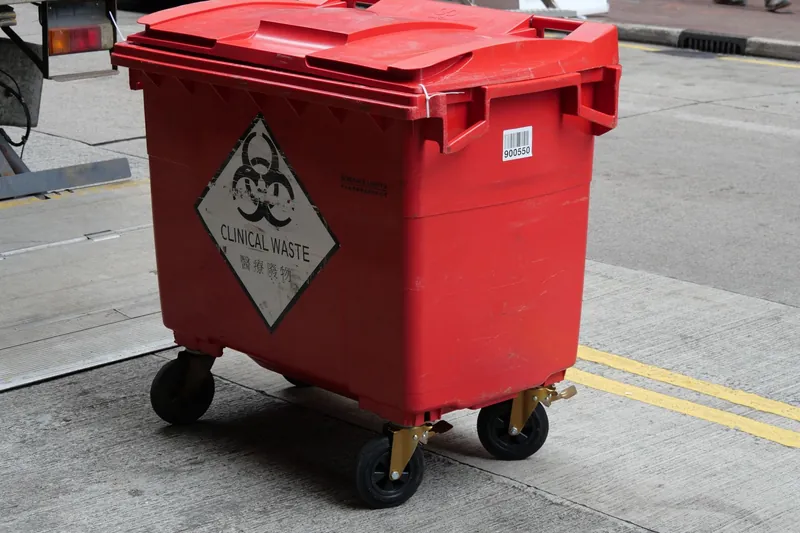
Medical Waste Removal
Medical waste removal and disposal through approved treatment facilities.
See medical waste removalGet discarded needles, syringes and related sharps removed from a yard, rental, park, alley or commercial property in High Crossing. Keep people and pets away until the affected area has been searched and cleared.
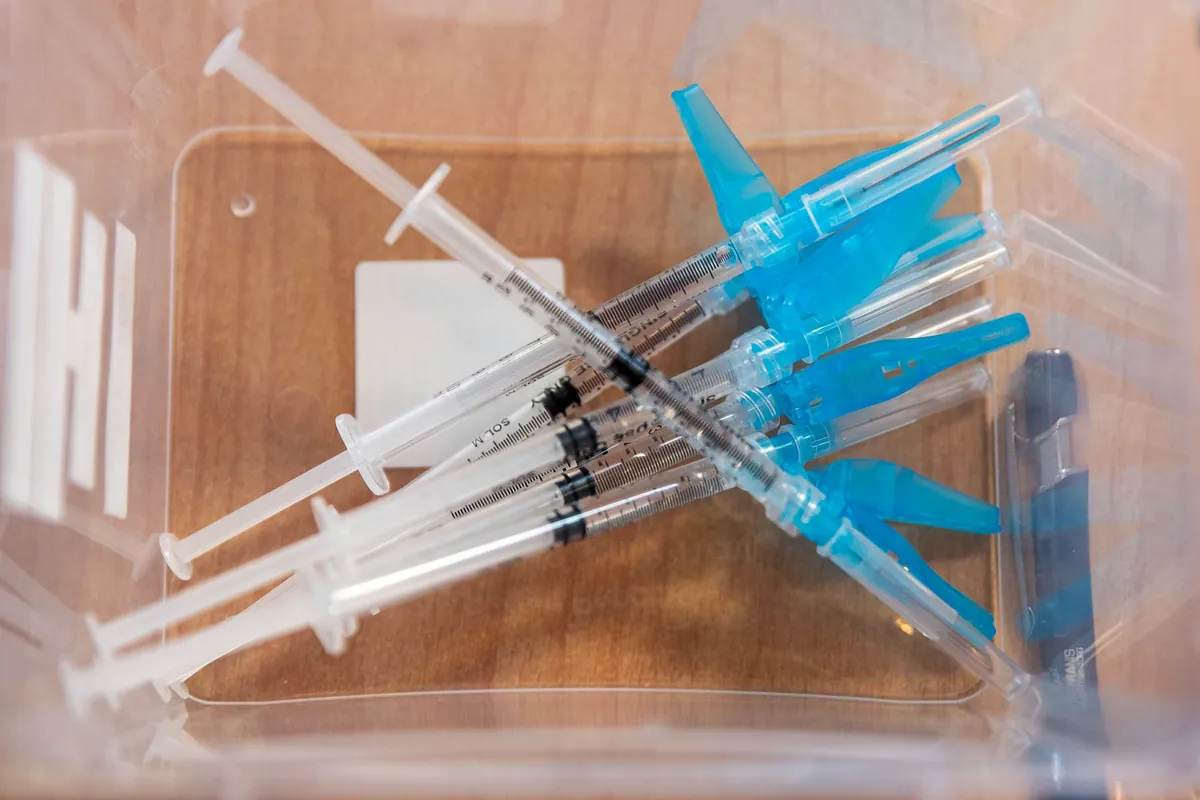
A sharps cleanup safely searches for, picks up and contains abandoned syringes, other needles, lancets, razor blades and additional sharp objects. Disposal then takes place under the relevant rules for that type of waste.
The cleaning process can focus on one visible syringe or include a methodical sweep of a larger affected area. Technicians check grass, mulch, planters, stairwells, vacant units, fence lines, trash areas and spaces beneath furniture or debris. Tongs or another pickup tool keep hands away from the sharp end. Each item goes directly into a rigid, puncture-resistant sharps container rather than a loose bag.
A tenant departure, trespassing, illegal drugs or an encampment closure may leave a property needing discarded syringe removal. Related biohazard work may cover more than the sharps themselves. Paraphernalia, limited bodily fluid staining and contaminated material beside them can also require attention. Each material is identified, separated, packaged and cleaned as appropriate, rather than being swept into regular trash together.
For privacy at residences, businesses and rentals, an arriving crew may be in unmarked vehicles, and calls receive answers day or night.
Before starting the cleanup process, the plan explains search boundaries, possible movement of items and factors affecting cost.
Available disposal documentation, photographs and service notes show property owners, managers and insurance companies what work was finished.
Belongings are checked methodically, and items that can stay are separated from contaminated materials and waste.
Cleanup becomes necessary if a sharp presents a puncture risk during routine cleaning, upkeep or use of the property. Because sites and circumstances differ, the area searched needs to reflect both the discovery and the way people use that location. Examples include:
A syringe concealed in mulch or grass, near a fence or inside an alley creates a step-on risk during regular property upkeep.
One found syringe can call for an expanded sweep of paths, play areas, restrooms, planting beds and the edges of parking areas.
Keep cleaners, contractors and future occupants out until needles in the unit, shared space, furniture or rubbish have been collected under controlled conditions.
Commercial cleaning services should pause in loading areas, public restrooms, stairwells, parking structures and exterior planters until discarded sharps are removed.
Begin by making sure nobody can touch the sharp. The following measured steps protect you while preserving the site so a complete sweep can be performed:
Call (888) 440-9227Sharps cleanup is not priced on its own in published guides. Related figures include $3,000 to $5,000 per job for general biohazard cleanup, $75 to $200 monthly for a small practice's medical waste pickup and $2 to $20 per pound for disposal. They are comparisons, not a sharps quote. How many items there are, where they are and how much ground must be searched decide the total.
These ranges come from published national cost guides, not from a site visit. An on-site assessment determines your property's price, which is explained to you before the cleanup starts.
Ask about cost: (888) 440-9227Whether coverage applies is determined by the reason needles are there, their location and your policy terms. When waiting poses no safety issue, contact the insurance company before cleanup starts.
Homeowners or renters insurance, the estate or the property owner usually pays for this kind of cleanup. The Wisconsin crime victim compensation program helps only when a crime caused the loss.
Property insurance may apply if the sharps resulted from covered trespassing, vandalism or some other event included by the policy. Share clear incident details and photos with the insurance adjuster.
Payment responsibility depends on the lease terms, applicable local rules and what caused the problem. Property owners and managers should record the unit's condition before discarded needles are removed.
To move forward with the claim, confirm coverage, any required approval before cleanup and the necessary photographs, service documentation or waste records.
Needle cleanup involves access control, a deliberate search, safe collection and a final visual check. The scope changes with the property, but every step follows a clear order.
To set the affected area's limits, cleanup technicians examine the surfaces, known locations and recent activity at the property.
While entry remains controlled, technicians use protective equipment suited to contamination and puncture hazards. Work starts at a clear edge.
The site is searched in sections, including vegetation, bedding, planters, furniture, floor edges, trash zones and other likely hiding places.
A tool, not a hand, lifts each visible sharp from the site. The sharp is never bent, broken, recapped or carried without secure containment.
Collected needles and similar objects go straight into a rigid sharps container that resists punctures and closes before transport.
Compatible surfaces receive an EPA-registered disinfectant for its label's entire contact time after nearby bodily fluids and other hazardous materials are removed.
Closed containers move through the waste route required for that material and location, with available service and disposal records kept together.
A final visual check occurs before access resumes, along with an explanation of removed items and any spots technicians could not reach.
Call at any time. You speak with a needle and sharps cleanup specialist who outlines the process and schedules a start time with you.
A sharp can cause a cut or puncture and may have contaminated material attached, which is the primary danger. Treating every abandoned item as hazardous is important. When the search must cover a wider space, serious health risks may call for a systematic search by cleanup technicians.
Someone punctured by an used needle can face exposure to bloodborne pathogens. OSHA's Bloodborne Pathogens Standard, 29 CFR 1910.1030, sets worker protections when occupational exposure to blood may occur.
It can be distressing to discover needles in places used by pets, children, customers or tenants. Your next clear action is to keep the space shut and schedule a thorough sweep.
Needles left behind can be difficult to see beneath bedding, foliage, cushions, trash, long grass or spaces between floorboards. Finding one item is a reason to inspect the surrounding areas before normal activity resumes.
Can you clean it yourself? Even with gloves on, avoid touching any lone sharp you locate. Keep everyone clear, then use your local sharps instructions or arrange professional cleanup. If anyone is punctured, wash the area with soap and water and seek prompt medical advice about the exposure.
Sharps are collected in puncture-resistant containers. Nearby surfaces are cleaned when contamination is present, while ordinary property stays in place when it can be checked and safely retained.
Worker contact with blood is addressed by the OSHA Bloodborne Pathogens Standard, 29 CFR 1910.1030, including safeguards, protective equipment and exposure control.
If a compatible surface has blood or bodily fluids, keep it wet with the selected EPA-registered disinfectant for the entire contact time on the product label.
Wisconsin calls it infectious waste, and items saturated with human blood or body fluids are treated as infectious. The Department of Natural Resources rules control storage, transport and treatment, so it cannot go in household trash.
If the sharps are connected to an active law enforcement investigation or a death, wait for the appropriate release before cleanup. Local health and building rules can affect how a contaminated room is cleaned and when it can be used again, so mention any notice you have received from the city or county.
A single visible item can take less time than a broad property sweep, but no fixed duration fits every site. Hidden sharps, dense debris and difficult access extend the work.
The full needle and sharps cleanup guide covers what is cleaned or removed, odor and air quality work, and the rules that apply in Wisconsin and Dane County.
Read the full needle and sharps cleanup guidePlanning for access, containment and cleanup can depend on local population, housing and entry conditions.
SSM Health St. Mary's Hospital, Madison is about 7.3 miles from High Crossing, which is useful to know when an exposure or injury needs medical attention.
Properties near Ridgewood, Greater Sandburg, and Mayfair Park can share street names, so confirm the house number, unit and ZIP code.
As a Madison neighborhood, High Crossing may include several building styles, so cleanup planning should start with the exact property type.
Ask on the call about cleanup options for neighboring communities and ZIP codes.
Medical waste removal and disposal through approved treatment facilities.
See medical waste removal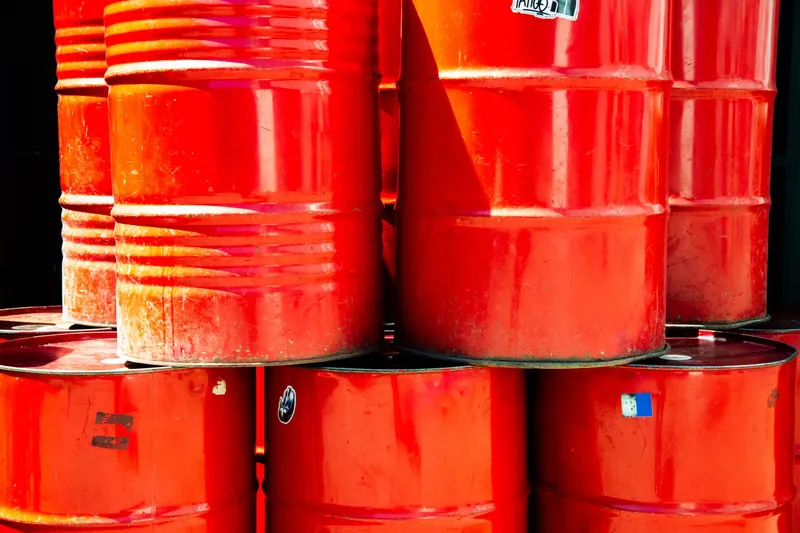
Pickup and disposal of biohazard waste use containers that are sealed and labeled.
See biohazard waste disposal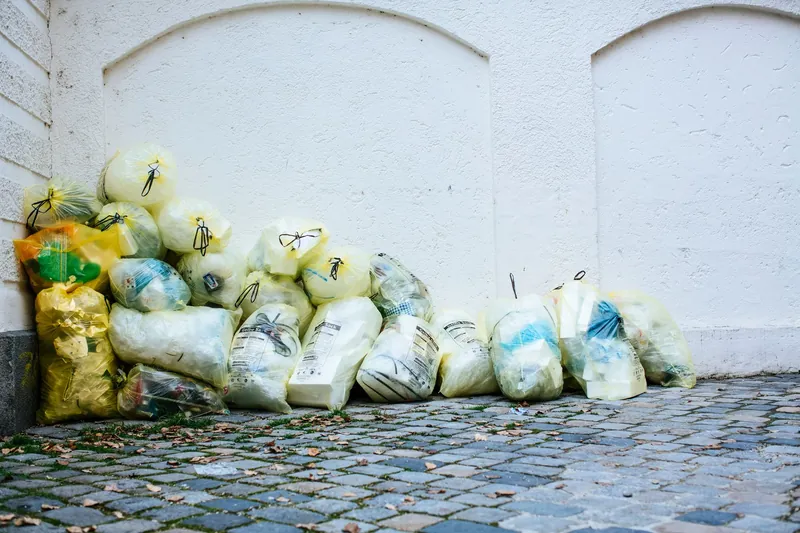
Rental spaces and properties are cleared of needles, pipes and residue from drugs.
See drug paraphernalia cleanup
Cleanup of homeless encampments removes needles, contaminated debris and waste.
See homeless encampment cleanup
Biohazard cleanup for hotels, Airbnb units and rental properties.
See hotel, Airbnb and rental biohazard cleanup
Site access and operating needs guide planning for commercial and industrial biohazard cleanup.
See commercial and industrial biohazard cleanup
Blood cleanup controls exposure to HIV as well as hepatitis B and hepatitis C.
See bloodborne pathogen cleanup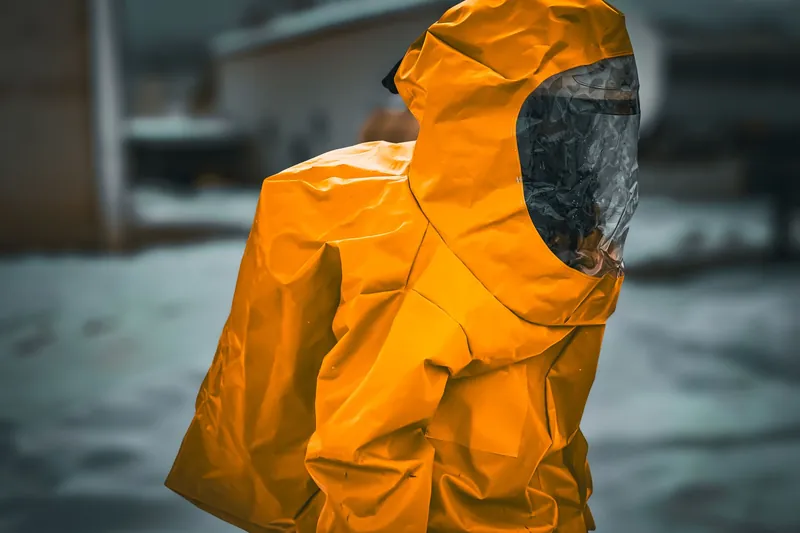
Blood, body fluids and other infectious materials are removed, followed by property disinfection.
See biohazard cleanupAccess remains controlled while a cleanup technician in appropriate protective equipment uses tongs or a similar tool for collection. The syringe goes directly into a rigid, puncture-resistant sharps container. No one bends, snaps or replaces its cap. The follow-up inspection covers possible hiding places among furniture, plant growth, loose material and floor edges.
Keep any loose syringe out of regular trash containers and bags. It can puncture the bag and injure a cleaner, tenant or waste worker. Safe disposal requires a rigid puncture-resistant sharps container and compliance with rules applying to that material at the site. Business or cleanup waste may follow requirements unlike the area's household guidance.
If a discarded needle is on your private property, request help from a professional sharps cleanup service. Report a sharp on a public road, sidewalk or park to the public health, works or parks contact named by the municipality. Do not touch or relocate the sharp, and keep everyone, including animals, out of the area until help arrives.
It depends, and conditions in the surrounding space should guide the decision. Finding one item in an uncluttered controlled interior is unlike discovering it inside a trash heap, tall vegetation, bedding or shared stairs. Probable concealment spots and recent site use help define the affected area. Have the technician clarify the proposed area for the sweep.
Sharps cleanup does not have a specific range in published cost guides. The number of items, size of the search area, hidden debris, access and waste disposal determine the price. The general biohazard and medical waste costs displayed here are comparisons, not sharps-specific prices. A site assessment is needed for a price tied to your property.
Use soap and water on the wound and quickly seek advice from a clinician. A medical professional can evaluate what happened and discuss follow-up care or tests. Leave the item untouched, and avoid squeezing the injured area with force. If the needle stays in place, block the area until safe collection occurs.
Crews carry out respectful, discreet needle and sharps cleanup, arrive in unmarked vehicles and take calls 24 hours a day.